

Blog
Categories
The Benefits of a Wet Room for Accessibility and Safety
Wet rooms are becoming an increasingly popular solution in accessible housing. They offer a safer and more practical alternative to traditional bathrooms. Designed with simplicity and usability in mind, they help improve both accessibility and safety within the home.
What is a wet room?
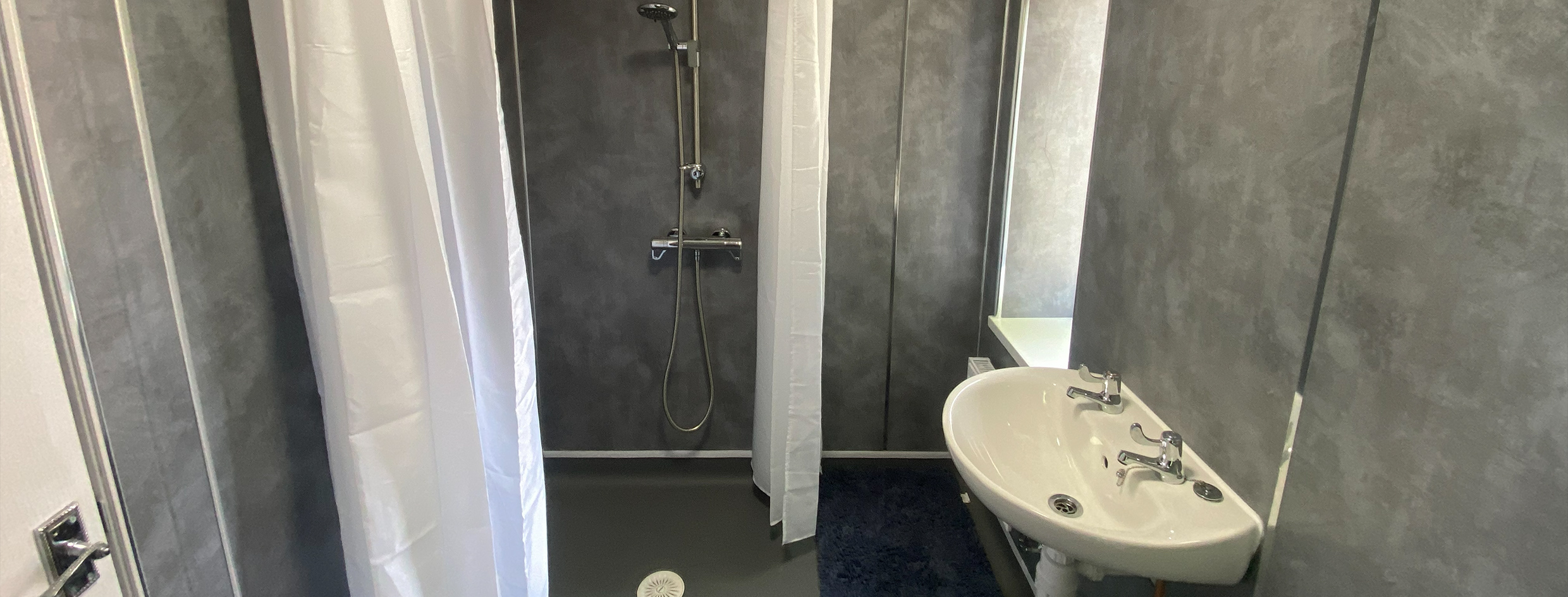
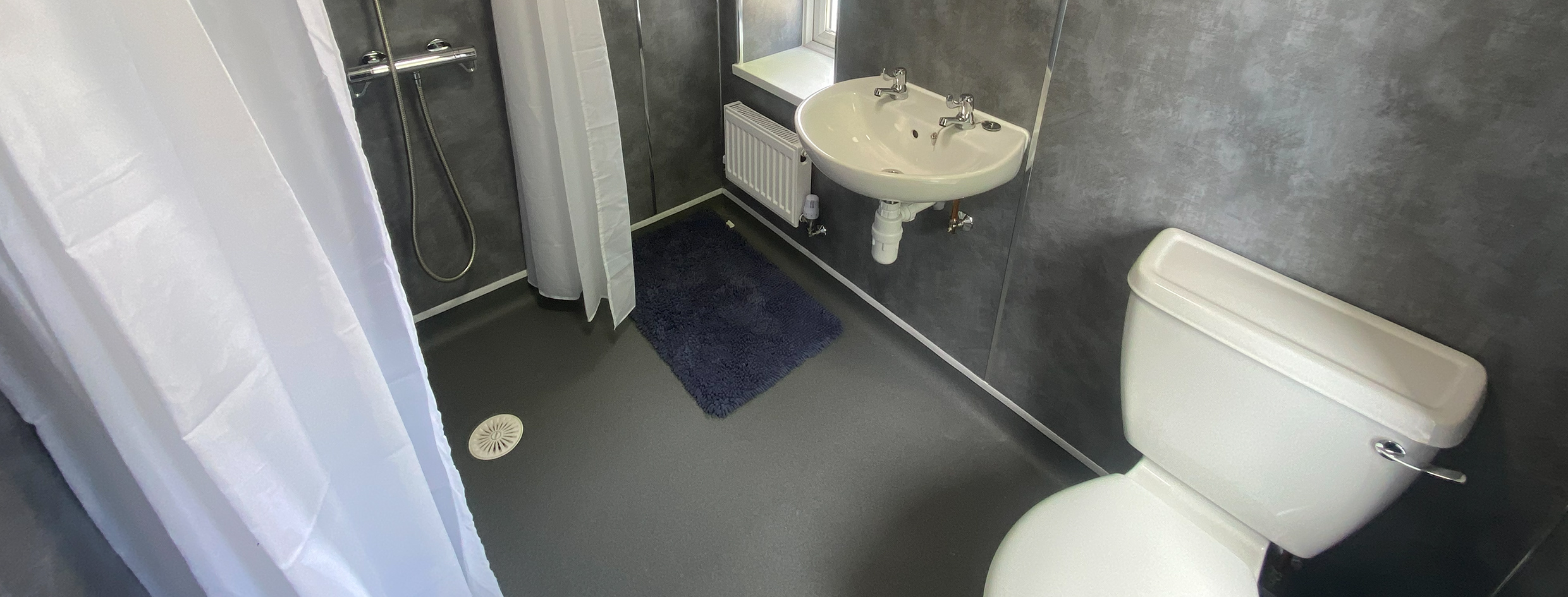
A wet room is a fully waterproof bathroom with an open-plan shower area. The floor is level throughout the space, with no shower trays or enclosures. This helps remove obstacles and reduce trip hazards.
The floor slopes gently towards a drain. This allows water to flow away easily and prevents pooling. As a result, the whole room can be used as a showering space, giving you more freedom to move around.
Housing providers often install wet rooms in adapted homes and accessible housing, where safety and ease of use are key.
How does it increase safety?
Wet rooms improve safety and make better use of available space. Key benefits include:
- Safer Access – There are no steps, trays, or raised edges, which reduces trip hazards. Removing the need to climb in and out of a bath also makes daily use safer.
- Improved space and movement – By focusing only on essential features such as showers, toilets, and basins, the layout becomes more open and easier to move around.
- Durability and waterproofing – The entire space is waterproofed, helping to reduce the risk of leaks or water damage that can occur in traditional bathrooms.
- Easy maintenance – With fewer components like enclosures or trays, cleaning is quicker and more straightforward.
- Modern, practical design – The open layout creates a clean, modern look while staying practical for everyday use.
Who does it benefit?
Wet rooms can work for many people, but they are especially useful for those with accessibility needs.
People with mobility challenges may find wet rooms easier and safer to use. The open layout removes many of the barriers found in traditional bathrooms. With fewer obstacles, it is easier to move around the space with confidence.
Wet rooms can also include features such as grab rails, which provide extra support and stability. This makes them a good option for older adults, wheelchair users, or those recovering from injury.
Conclusion
Wet rooms provide a practical, safe, and accessible bathroom solution. By removing common hazards and creating an open, easy-to-use space, they help support independence and improve daily life.
At Easibathe, we specialise in delivering high-quality wet room installations designed to meet the needs of accessible housing and adaptation projects.