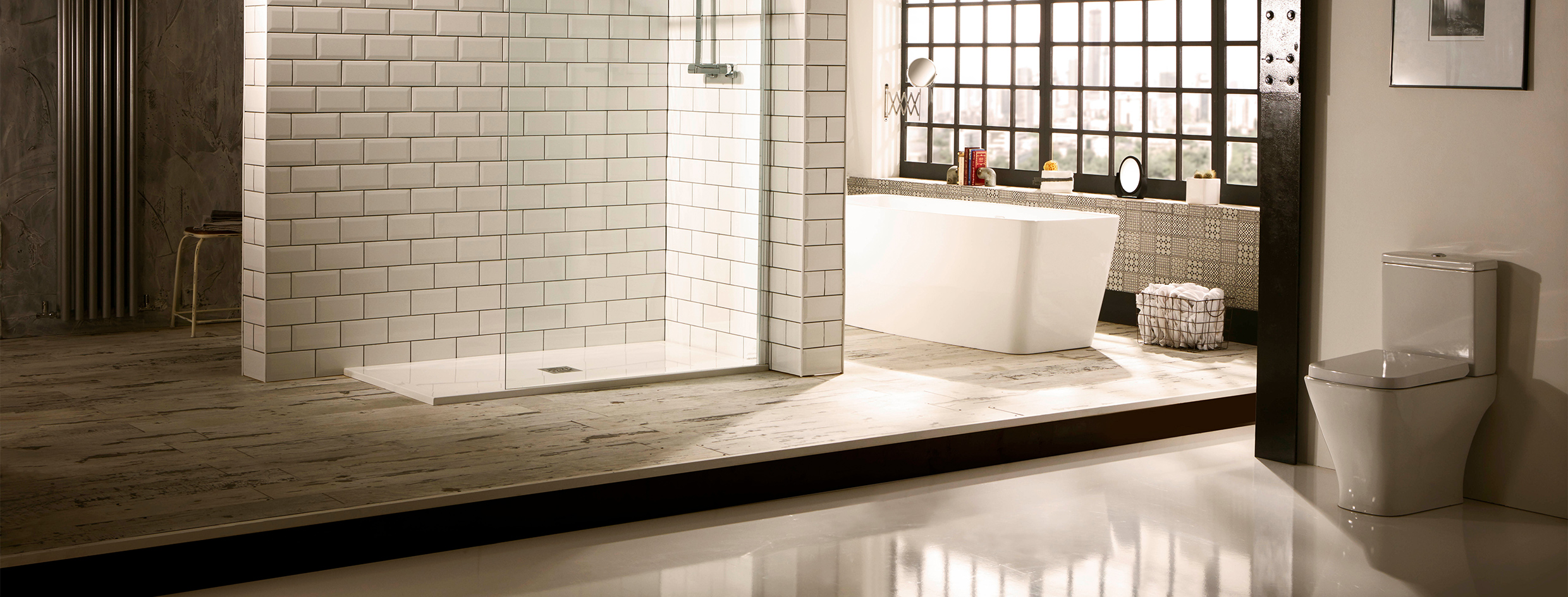
The Importance of Accessibility Standards in Bathrooms
Accessibility standards play a key role in creating safe and practical bathrooms. They help ensure that spaces are…
Read more
The bathroom is one of the areas in the home where slips, trips, and falls are most likely to happen. Water, hard flooring, and limited space all increase the risk of an accident. This is especially true for people with reduced mobility.
While it is impossible to remove every hazard, good bathroom design and simple adaptations can drastically reduce the risks. Here are some of the most common hazards and how to prevent them.
Water is one of the biggest hazards in any bathroom. When it collects on the floor, it creates a slippery surface that can quickly become dangerous. Soap residue can make this even worse by reducing grip.
Although you can’t stop the floor from getting wet, several simple measures can make the space much safer.
How to reduce the risk

Traditional bathrooms often include shower trays, bath edges, cupboards, and loose mats. These features may not cause problems for everyone, but they can become serious trip hazards for people with reduced mobility or balance.
How to reduce the risk
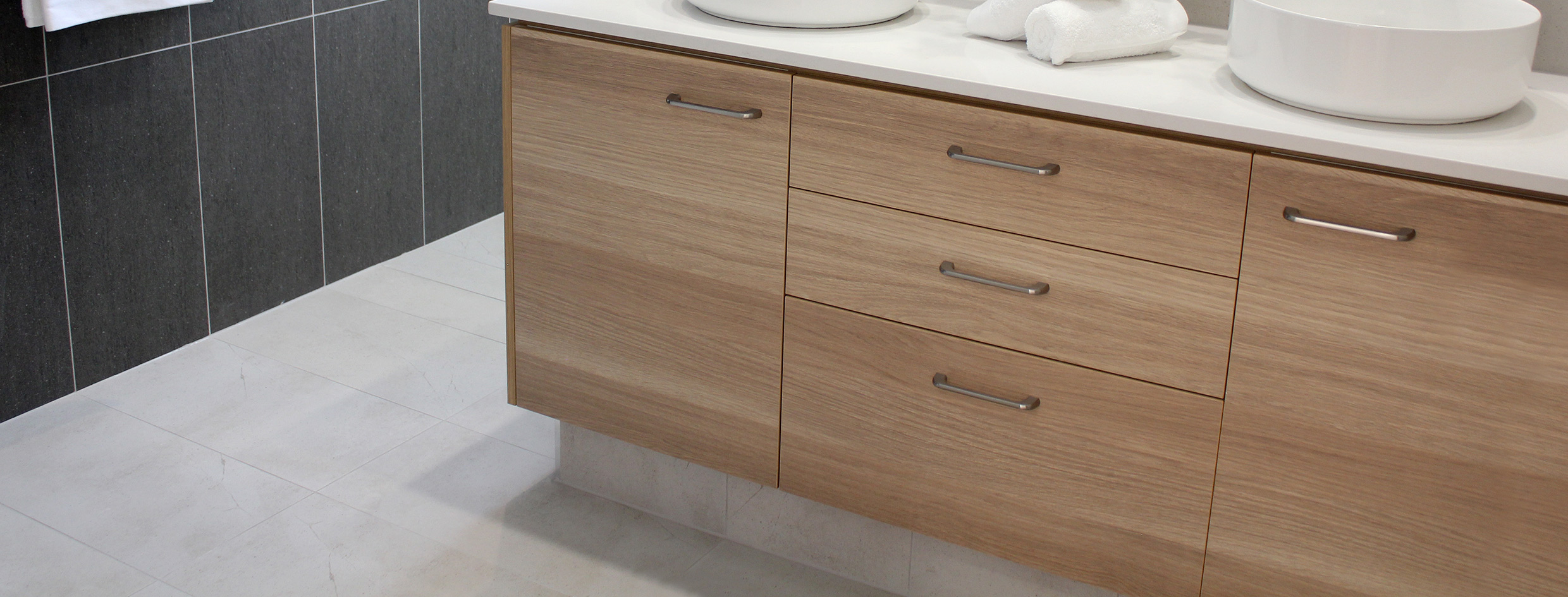
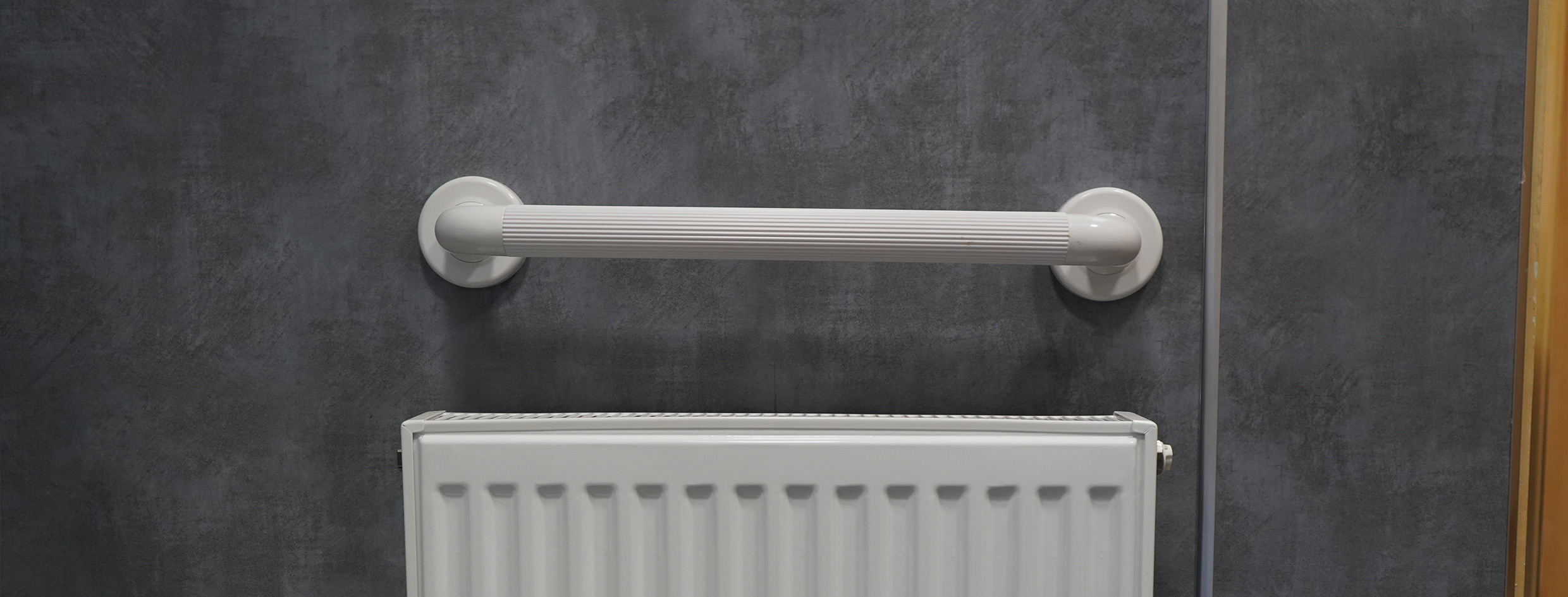
Simple tasks like sitting down, standing up, or stepping into a shower can become difficult without proper support. Losing balance during these movements increases the risk of falls and accidents.
How to improve accessibility
Poor lighting makes it harder to spot wet floors, obstacles, or changes in floor level. Shadows can also affect depth perception, making it more difficult to judge where to step safely.
How to improve lighting

It is worth thinking about future needs before mobility becomes more difficult. Small adaptations made today can make everyday life easier and reduce the need for larger alterations later.
Planning for the future
At Easibathe, we design accessible wet rooms with future needs in mind. Their open layout makes it easy to add features such as grab rails, fold-down seating, or other accessibility aids if they become necessary.
Planning ahead improves safety and provides peace of mind. It also helps ensure the bathroom continues to meet changing needs for years to come.
Many common bathroom hazards can be reduced through thoughtful planning and the right adaptations. Slip-resistant flooring, improved lighting, level access showers, and grab rails can all make a significant difference to everyday safety.
At Easibathe, we create bathroom adaptations that help people feel safer, more confident, and more independent in their own homes. Every project is designed to provide a practical, comfortable space that supports both current and future needs.